
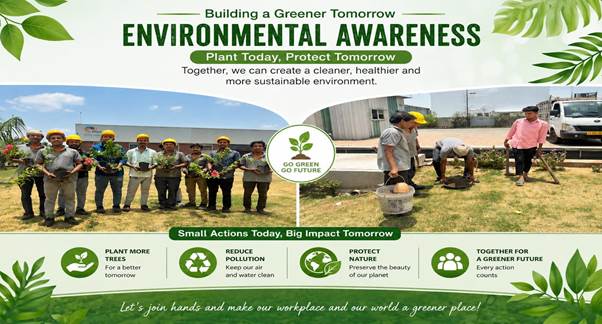
Environment Awareness Training: Building a Greener Future
Introduction
In today’s rapidly growing industrial world, protecting the environment is no longer an option—it is a responsibility shared by every individual and every organization. Industries play a significant role in economic development, but they also have an important duty to reduce their environmental impact through responsible manufacturing, efficient resource utilization, and sustainable operational practices.
At Bansal Roofing Products Limited (BRPL), environmental responsibility forms an integral part of building modern infrastructure. As one of India’s leading manufacturers of Pre-Engineered Buildings (PEBs), Roofing sheets, Purlins, Decking sheets, Insulated panels, Ventilators, and Various Roofing accessories, BRPL believes that industrial growth and environmental sustainability must progress together. The company continuously promotes safe manufacturing practices, efficient use of natural resources, waste reduction, and environmentally responsible construction solutions that support long-term sustainability.
Environment Awareness Training is an important initiative that educates employees about environmental conservation and helps them understand how their daily actions contribute towards creating a cleaner, safer, and more sustainable workplace.
What is Environment Awareness Training?
Environment Awareness Training is a structured educational program designed to increase employees’ understanding of environmental protection, pollution prevention, natural resource conservation, and sustainable workplace practices.
The objective is not only to provide theoretical knowledge but also to encourage practical habits that employees can apply in their daily work.
In a PEB and roofing manufacturing company, environmental awareness goes beyond simply planting trees or saving electricity. It includes minimizing raw material waste, reducing energy consumption, properly segregating industrial waste, preventing pollution, maintaining clean production areas, and using resources efficiently throughout the manufacturing process.
When every employee understands these responsibilities, the organization becomes more productive, environmentally responsible, and future-ready.
Why Environmental Awareness Matters in the BRPL
The BRPL depends heavily on steel processing, fabrication, machinery, transportation, and manufacturing operations. These activities consume energy, water, and raw materials. Without proper environmental practices, they can generate unnecessary waste and increase pollution.
Environmental awareness helps employees understand that every small improvement contributes towards protecting natural resources.
For example:
- Proper utilization of steel sheets reduces scrap generation and improves production efficiency.
- Efficient machine operation reduces electricity consumption.
- Timely maintenance of equipment minimizes energy losses.
- Correct storage of paints, oils, lubricant prevents soil and water contamination.
- Recycling metal scrap reduces the demand for new raw materials while conserving natural resources.
- Maintaining a clean shop floor improves workplace safety and operational efficiency.
Environment Awareness Training: Modern PEB structures themselves contribute to sustainability. Steel is highly recyclable, PEB construction produces less material wastage compared to conventional construction methods, projects are completed faster, and insulated roofing systems help improve energy efficiency inside industrial buildings. These advantages make PEBs an environmentally responsible construction solution.
Objectives of Environment Awareness Training
Environment Awareness Training: The training program focuses on developing environmental responsibility among every employee working in Manufacturing, Fabrication, Quality Control, Maintenance, Administration, and Project execution.
Its primary objectives include:
Saving the dear motherland
Creating Environmental Responsibility
Reducing Industrial Waste
Efficient Use of Natural Resources
Promoting Sustainable Manufacturing
Ensuring Regulatory Compliance
Encouraging Continuous Improvement
Employees are motivated to identify opportunities for improving environmental performance through small daily actions.
Key Topics Covered During the Training
A comprehensive Environment Awareness Training program generally includes the following topics:
Understanding the Environment
Environment Awareness Training: Employees learn about natural resources, ecosystems, climate change, biodiversity, and the importance of maintaining ecological balance.
Waste Segregation and Recycling
Different types of waste generated in manufacturing—metal scrap, plastic, paper, packaging materials, paint boxes—must be segregated properly for recycling or safe disposal.
Energy Conservation
Employees are trained to switch off idle machines, use energy-efficient equipment, monitor electricity consumption, and report energy leakages immediately.
Water Conservation
Simple practices such as repairing leakages, using water responsibly during cleaning operations, and preventing unnecessary wastage help conserve valuable water resources.
Air Pollution Control
To use the dust collection system properly, use rooftop ventilators, etc.
Green Manufacturing Practices
BRPL adopts green technology to save nature. We have a 300 kW rooftop solar plant which generates electricity from sunlight and thus reduces the consumption of MGVCL power, which is mostly generated by using a thermal power plant.
BRP uses a rooftop ventilator which runs without power and gives ventilation throughout the year without power consumption.
Housekeeping and Workplace Cleanliness
A clean workplace minimizes pollution, reduces accidents, improves productivity, and reflects an organization’s commitment to environmental excellence.
Environment Awareness Training: Key Environmental Practices and Their Benefits
| Environmental Practice | Employee Action | Benefits to the Organization |
|---|---|---|
| Waste Segregation | Separate metal scrap, plastic, paper, and hazardous waste into designated bins | Reduces landfill waste and increases recycling efficiency |
| Energy Conservation | Turn off idle machines, lights, and equipment | Lowers electricity consumption and operating costs |
| Water Conservation | Repair leaks and use water responsibly | Conserves natural resources and reduces water bills |
| Air Pollution Control | Use dust collection systems and roof ventilators properly | Improves air quality and ensures a healthier workplace |
| Green Manufacturing | Support solar energy use and eco-friendly production practices | Reduces carbon footprint and promotes sustainability |
| Steel Recycling | Recycle steel scrap and minimize material wastage | Conserves raw materials and reduces manufacturing costs |
| Housekeeping | Keep workstations clean and dispose of waste properly | Improves safety, productivity, and environmental compliance |
| Environmental Compliance | Follow company environmental policies and regulations | Helps avoid legal issues and strengthens corporate reputation |
Benefits for Employees, the Company, and Society
Environmental awareness creates value beyond regulatory compliance.
For employees, it develops responsible work habits, improves safety awareness, and builds pride in contributing to environmental conservation.
For the company, reduced material wastage, lower energy costs, improved resource utilization, better operational efficiency, and enhanced corporate reputation directly support long-term business growth.
For society, environmentally responsible manufacturing helps reduce pollution, conserve natural resources, STP (Sewage treatment plan) and create healthier industrial communities.
As infrastructure increasingly adopts sustainable construction practices, environmentally conscious manufacturing becomes an important competitive advantage for organizations operating in the PEB and roofing sector.
Everyday Environmental Practices at the Workplace
Environmental protection begins with small daily habits. Every employee can contribute by:
- Switching Off Lights, Fans, Machines, and Air Compressors When Not In Use.
- Reporting Oil, Water, or Air Leakages Immediately.
- Segregating Waste into Designated Collection Bins.
- Minimizing Steel Scrap through Accurate Cutting and Proper Planning.
- Using Reusable Materials Whenever Possible.
- Preventing Oil & Grease Spills and Ensuring Proper Storage.
- Maintaining Clean Workstations throughout the Shift.
- Conserving Paper by Adopting Digital Documentation Wherever Feasible.
- Following Company Environmental Procedures and Safety Guidelines.
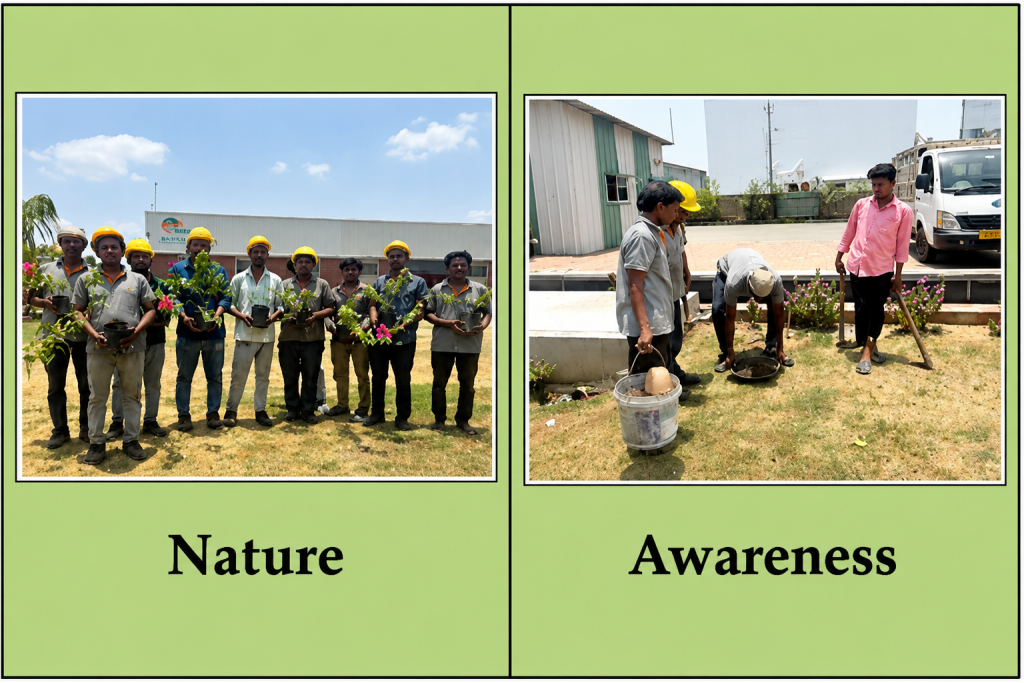
- Participating Actively In Tree Plantation Drives, Cleanliness Campaigns, and Environmental Awareness Programs Organized By The Company.
These simple practices collectively create a significant positive impact on environmental sustainability.
Organizations should comply with environmental regulations issued by the Ministry of Environment, Forest and Climate Change (MoEFCC) to promote sustainable industrial development.
Why Choose BRPL for Sustainable Infrastructure?
Bansal Roofing Products Limited (BRPL) is committed to delivering innovative, high-quality, and environmentally responsible building solutions. With decades of manufacturing expertise, advanced production facilities, and a strong focus on sustainability, BRPL helps industries build durable infrastructure while minimizing environmental impact. From resource-efficient manufacturing to green construction practices, every product is designed to support long-term performance and environmental responsibility.
Why BRPL Stands Out
- Industry Expertise: Years of experience in manufacturing Pre-Engineered Buildings (PEBs), Roofing Sheets, Purlins, Decking Sheets, Insulated Panels, and Solar Module Mounting Structures (MMS).
- Advanced Manufacturing Facility: Equipped with modern technology and quality control systems to ensure precision and consistent product quality.
- Commitment to Sustainability: Focus on steel recycling, waste reduction, energy conservation, rooftop solar power generation, and eco-friendly manufacturing practices.
- High-Quality Products: Manufactured using premium raw materials that meet national and international quality standards.
- Customized Solutions: Tailor-made solutions for industrial, commercial, warehouse, infrastructure, and solar projects.
- Nationwide Project Execution: Strong supply chain and timely delivery capabilities across India.
- Customer-Centric Approach: Dedicated technical support, reliable service, and long-term partnerships with customers.
- Safety and Compliance: Strict adherence to environmental, safety, and quality standards throughout the manufacturing process.
Build a Greener Future with BRPL
Whether you’re planning an industrial facility, warehouse, commercial building, or solar power project, BRPL offers sustainable, cost-effective, and durable steel building solutions that contribute to a cleaner and greener future. By choosing BRPL, you invest in quality, innovation, and environmentally responsible infrastructure that stands the test of time. This aligns with the company’s emphasis on sustainable manufacturing and environmental responsibility throughout the blog.
Conclusion
Environment Awareness Training: A sustainable future is built through responsible decisions made every day. Environment Awareness Training empowers employees with the knowledge and practical skills needed to protect natural resources while supporting efficient industrial operations.
In the PEB and roofing industry, sustainability extends beyond manufacturing quality products. It includes reducing waste, conserving energy, recycling steel, preventing pollution, and continuously improving manufacturing processes.
At Bansal Roofing Products Limited, environmental responsibility complements innovation, quality, and operational excellence. By adopting environmentally conscious practices throughout manufacturing and project execution, BRPL continues to support the development of durable, energy-efficient, and sustainable infrastructure for future generations.
Creating a greener tomorrow begins with the actions we take today—and every employee has an important role to play.
Frequently Asked Questions (FAQs)
1. What is Environment Awareness Training?
Environment Awareness Training is a program that educates employees about protecting the environment, conserving natural resources, reducing pollution, and adopting sustainable workplace practices.
2. Why is environmental awareness important in the PEB and roofing industry?
The industry uses steel, machinery, electricity, water, and other valuable resources. Environmental awareness helps minimize waste, improve efficiency, reduce pollution, and support sustainable construction.
3. How can employees contribute to environmental protection?
Employees can conserve electricity and water, segregate waste, recycle materials, report leakages, maintain good housekeeping, reduce material wastage, and follow environmental procedures.
4. What types of waste are commonly generated in a roofing manufacturing unit?
Common waste includes steel scrap, packaging materials, plastic, paper, lubricants, paint containers, used oils, and other industrial waste, all of which require proper segregation and disposal.
5. Are Pre-Engineered Buildings environmentally friendly?
Yes. PEB structures use recyclable steel, generate less construction waste, reduce project timelines, improve material efficiency, and support energy-efficient building designs, making them a sustainable construction solution.
6. How does recycling steel benefit the environment?
Steel can be recycled multiple times without losing its properties. Recycling reduces mining activities, conserves natural resources, saves energy, and lowers carbon emissions.
7. Why is housekeeping important for environmental management?
Good housekeeping prevents pollution, reduces waste generation, improves workplace safety, increases productivity, and helps maintain a clean and organized manufacturing environment.
8. What is the biggest objective of Environment Awareness Training?
The primary objective is to develop environmentally responsible employees who actively contribute towards sustainable manufacturing, resource conservation, and pollution prevention in their daily work.