
Understanding Purlins: Essential Components in Modern Roofing Systems
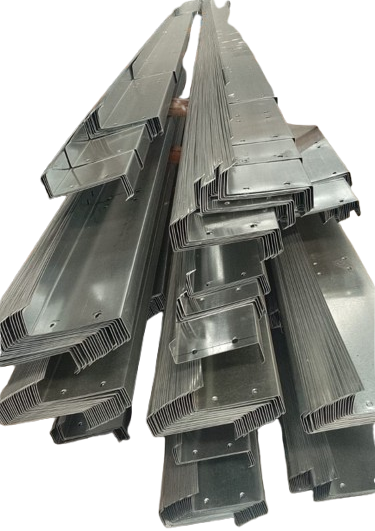
Understanding Purlins: Essential Components in Modern Roofing Systems When constructing a roof, especially in industrial and commercial settings, ensuring structural integrity and durability is paramount. One of the key elements contributing to this is the purlin. Purlins are horizontal beams that provide support to the roof deck, transferring loads from the roof covering to the main structural framework. Their role is crucial in maintaining the stability and longevity of the roofing system. What Are Purlins? Purlins are horizontal structural elements that span between the main rafters or trusses of a roof. They serve as a support system for the roof deck, which could be made of materials like metal sheets, tiles, or insulation panels. By distributing the weight of the roof covering, purlins help in reducing the load on the primary structural components, thereby enhancing the overall stability of the building. Types of Purlins Purlins come in various shapes and sizes, each suited for specific applications. The most common types include: 1. Z Purlins Shaped like the letter “Z,” these purlins are designed for overlapping connections, making them ideal for long spans and continuous lengths. Their interlocking design provides enhanced strength and stability, commonly used in large industrial buildings. 2. C Purlins With a “C” shaped cross-section, these purlins are widely used for supporting walls and floors. They offer a high strength-to-weight ratio, making them a cost-effective choice for various steel construction applications. 3. Sigma Purlins Featuring a more complex cross-section resembling the Greek letter “Σ,” Sigma purlins provide enhanced structural performance, especially in high-load environments. They are known for their rigidity and efficiency in handling heavy roof loads and wind pressures. Importance of Purlins in Roofing Systems The inclusion of purlins in a roofing system offers several advantages: Materials Used in Purlin Manufacturing Purlins are typically made from materials that offer strength, durability, and resistance to environmental factors. Common materials include: Installation and Maintenance Proper installation of purlins is crucial to ensure the integrity of the roofing system. They should be installed with the correct spacing and alignment to support the roof deck effectively. Regular maintenance, including inspections for corrosion and structural damage, is essential to prolong the lifespan of the purlins and the overall roof. Purlins play a vital role in the structural integrity of roofing systems, especially in large-span applications. Understanding their types, materials, and functions can aid in making informed decisions when designing or constructing roofs. For quality purlins tailored to specific needs, Bansal Roofing offers a range of options, ensuring strength, durability, and cost-effectiveness in every project FAQs About Purlins 1. What is the primary function of a purlin in a roofing system? Purlins provide horizontal support to the roof deck, transferring loads from the roof covering to the main structural framework, thereby enhancing the stability and durability of the roofing system. 2. How do Z purlins differ from C purlins? Z purlins have an interlocking design that allows for continuous spans, making them suitable for long, uninterrupted roof structures. C purlins, on the other hand, are typically used for shorter spans and offer a high strength-to-weight ratio. 3. Can purlins be used in residential buildings? While purlins are predominantly used in industrial and commercial buildings, they can also be utilized in residential structures, especially in large-span roofs or where reduced material usage is desired. 4. What materials are commonly used to manufacture purlins? Purlins are commonly made from cold-formed steel, galvanized steel, and high-strength steel, each offering specific benefits in terms of strength, durability, and resistance to environmental factors. 5. How often should purlins be inspected for maintenance? Purlins should be inspected regularly, at least annually, for signs of corrosion, structural damage, or misalignment. More frequent inspections may be necessary in harsh environmental conditions. .