
Why Businesses in India Are Switching to PEB Structures
India’s industrial landscape is changing rapidly. Manufacturing facilities are expanding, logistics parks are growing, e-commerce warehouses are multiplying, and businesses are under constant pressure to build faster while controlling costs. In this environment, traditional construction methods are increasingly struggling to keep up with modern business demands.
This is one of the biggest reasons why PEB Structures have become a preferred choice across industries. From manufacturing units and warehouses to commercial buildings and logistics centers, businesses are actively moving toward Pre-Engineered Building solutions because they offer speed, flexibility, cost efficiency, and long-term performance.
Most people don’t realize this, but construction delays can directly affect business profitability. Every month spent waiting for a facility to become operational can result in lost revenue opportunities. This is where PEB technology is changing the game.
Quick Summary
Businesses in India are switching to PEB Structures because they offer:
- Faster project completion
- Lower overall construction costs
- Better structural efficiency
- Scalability for future expansion
- Reduced maintenance requirements
- Improved sustainability
- Superior performance for industrial applications
For industries focused on growth and operational efficiency, PEB Structures have become a practical business decision rather than simply a construction choice.
What Are PEB Structures?
PEB Structures, or Pre-Engineered Buildings, are steel building systems that are designed, engineered, manufactured, and fabricated in a controlled factory environment before being assembled at the project site.
Unlike traditional construction, where much of the structural work happens on-site, PEB projects involve precision-engineered steel components manufactured according to specific project requirements.
The system typically includes:
- Primary steel framing
- Secondary structural members
- Roofing systems
- Wall cladding
- Insulation systems
- Ventilation solutions
- Accessories and finishing components
In simple terms, a PEB structure functions like a highly engineered building kit designed specifically for industrial and commercial use.
Why PEB Structures Are Becoming Important for Modern Businesses
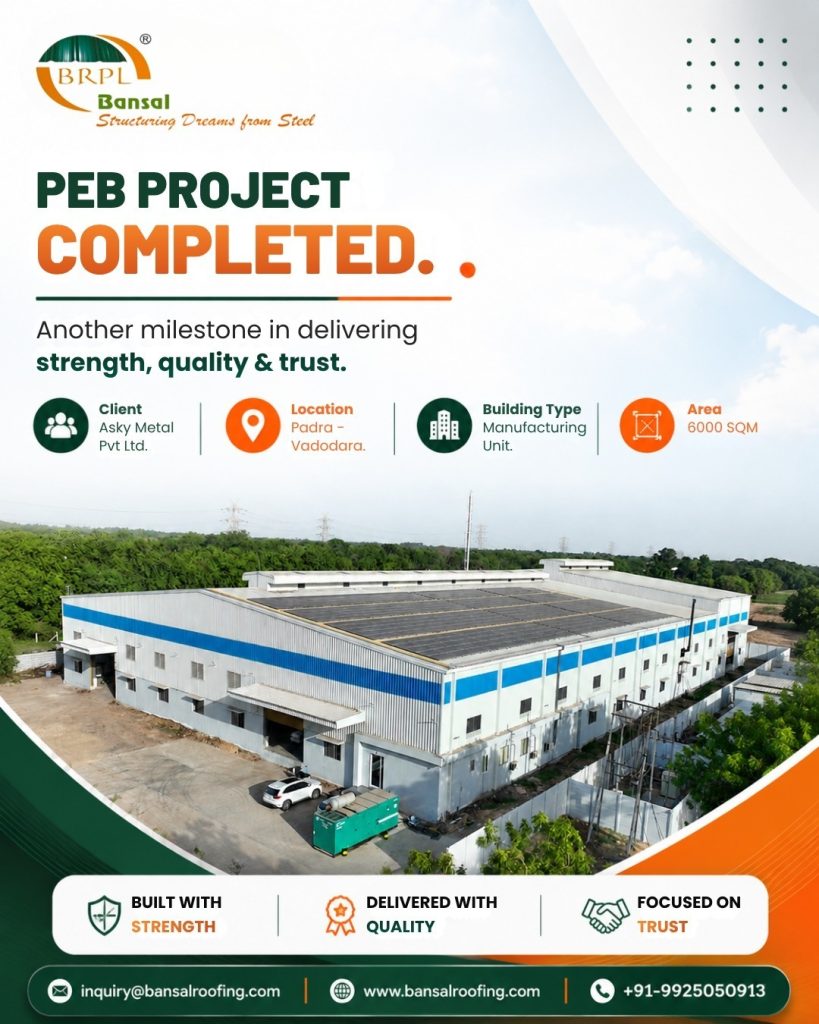
The business environment today demands agility. Companies need infrastructure that can be built quickly, expanded easily, and maintained efficiently.
Traditional construction methods often involve longer project timelines, higher labor requirements, and greater uncertainty regarding costs and schedules.
PEB Structures address many of these challenges by providing a streamlined construction process. Since much of the engineering and fabrication work happens before materials reach the site, project execution becomes more predictable.
In real-world terms, this means businesses can begin operations sooner, optimize capital investments, and reduce project-related risks.
The rapid expansion of sectors such as manufacturing, logistics, warehousing, retail, and renewable energy has further accelerated the adoption of PEB solutions across India.
How PEB Structures Work
The process begins with detailed engineering and project planning.
1. Design and Engineering
Structural engineers analyze project requirements, load conditions, building dimensions, and operational needs.
2. Manufacturing
Steel components are fabricated using advanced machinery in controlled production environments to ensure accuracy and consistency.
3. Transportation
The fabricated components are delivered to the project location in ready-to-assemble form.
4. Site Assembly
The structure is erected using specialized installation methods, significantly reducing construction time.
5. Roofing and Finishing
Roofing sheets, wall panels, insulation systems, ventilation units, and accessories are installed to complete the building.
Because much of the work is completed before reaching the site, project execution becomes faster and more efficient.
7 Powerful Reasons Businesses in India Are Switching to PEB Structures
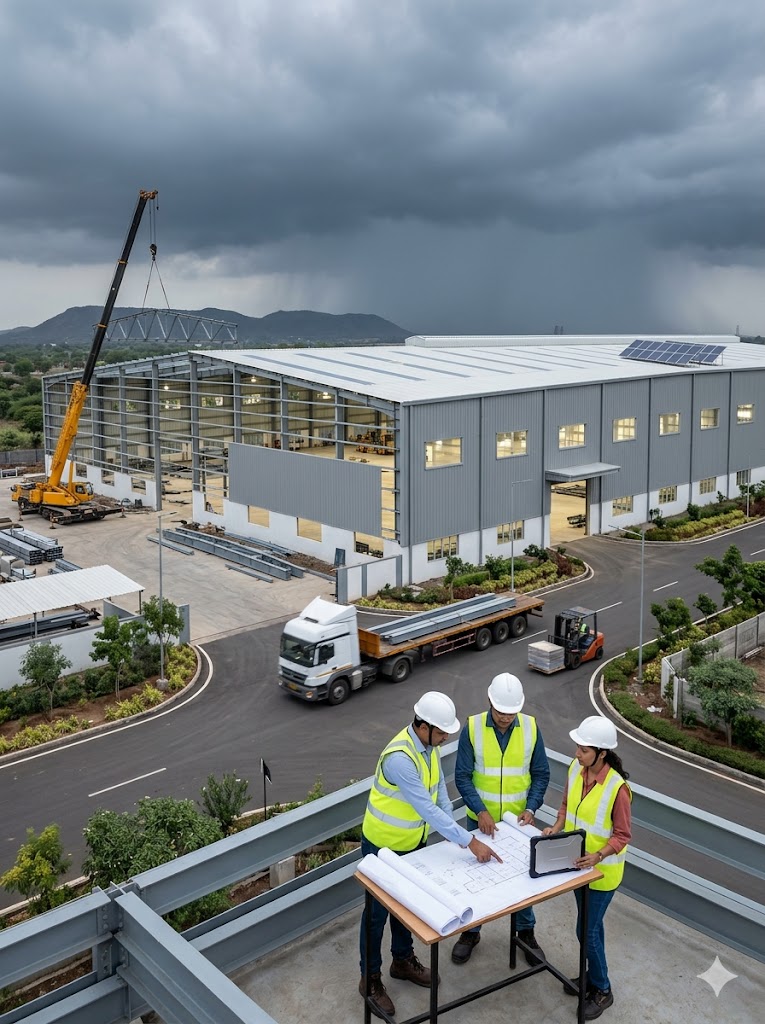
1. Faster Construction Timelines
One of the biggest advantages of PEB Structures is speed.
Traditional buildings can take several months or even years to complete. PEB projects often reduce construction timelines significantly because fabrication and site preparation occur simultaneously.
For businesses eager to start operations quickly, this advantage alone can justify the investment.
2. Lower Overall Project Costs
Cost efficiency remains a major factor driving adoption.
PEB Structures typically require:
- Less construction time
- Reduced labor dependency
- Optimized steel usage
- Lower waste generation
The result is improved project economics and better return on investment.
3. Greater Design Flexibility
Modern businesses rarely have identical infrastructure requirements.
PEB systems can be customized for:
- Warehouses
- Manufacturing plants
- Distribution centers
- Commercial complexes
- Aircraft hangars
- Agricultural facilities
This flexibility allows businesses to create structures tailored to their operational goals.
4. Easy Future Expansion
Business growth often requires facility expansion.
Traditional buildings may require extensive demolition and reconstruction work. PEB Structures are designed with scalability in mind, making future expansion more manageable and cost-effective.
5. High Structural Strength
India experiences diverse weather conditions, including heavy rainfall, strong winds, and extreme temperatures.
Properly engineered PEB Structures are designed to withstand these environmental conditions while maintaining long-term structural integrity.
6. Reduced Maintenance Requirements
Maintenance costs can significantly impact a facility’s lifetime operating expenses.
High-quality steel structures combined with durable roofing and cladding systems often require less maintenance compared to conventional alternatives.
This translates into long-term operational savings.
7. Sustainability Benefits
Sustainability is no longer optional for many organizations.
PEB Structures support environmental goals through:
- Recyclable steel components
- Reduced material wastage
- Energy-efficient building designs
- Lower construction-related environmental impact
Many companies are increasingly incorporating sustainable infrastructure strategies into their growth plans.
Comparison: PEB Structures vs Conventional Construction
| Factor | PEB Structures | Conventional Buildings |
|---|---|---|
| Construction Speed | Faster | Slower |
| Cost Efficiency | High | Moderate |
| Material Waste | Lower | Higher |
| Expansion Capability | Easy | Complex |
| Structural Weight | Optimized | Heavier |
| Maintenance | Lower | Higher |
| Sustainability | Better | Moderate |
Common Challenges Businesses Face During Construction
Many organizations focus only on initial construction costs and overlook operational realities.
Common issues include:
- Project delays
- Budget overruns
- Design changes during construction
- Labor shortages
- Future expansion limitations
PEB Structures help address many of these concerns by offering a more predictable project delivery model.
Common Mistakes Businesses Make
When evaluating industrial infrastructure projects, businesses often make several avoidable mistakes:
- Choosing suppliers based only on price
- Ignoring long-term maintenance costs
- Overlooking future expansion requirements
- Selecting unsuitable roofing systems
- Focusing solely on short-term budgets
A well-planned PEB project should balance cost, quality, durability, and long-term business goals.
Why Choose Bansal Roofing for PEB Solutions?
When investing in industrial infrastructure, selecting the right partner is just as important as selecting the right building system.
Bansal Roofing focuses on delivering industrial roofing and structural solutions designed for modern business requirements.
Businesses often look for infrastructure partners that provide:
- Quality materials
- Engineering expertise
- Reliable project execution
- Industry knowledge
- Long-term support
With increasing demand for industrial and commercial infrastructure across India, working with experienced solution providers can help ensure better project outcomes and operational efficiency.
Industry Trends Shaping the Future of PEB Structures
Several trends are expected to drive continued growth in the PEB sector:
- Expansion of manufacturing under the Make in India initiatives
- Growth of e-commerce warehousing
- Logistics infrastructure development
- Smart industrial parks
- Sustainable building practices
- Renewable energy projects
As businesses prioritize speed, efficiency, and scalability, PEB Structures are likely to play an even larger role in India’s infrastructure development.
For industrial infrastructure and manufacturing insights, refer to:
Featured Snippet
PEB Structures are pre-engineered steel buildings designed and manufactured before installation. Businesses in India are increasingly choosing PEB solutions because they offer faster construction, lower costs, greater flexibility, easier expansion, and long-term operational efficiency compared to traditional construction methods.
Frequently Asked Questions
What are PEB Structures?
PEB Structures are pre-engineered steel buildings manufactured using factory-fabricated components that are assembled on-site for industrial, commercial, and infrastructure projects.
Are PEB Structures suitable for warehouses?
Yes. Warehouses are among the most common applications because PEB systems provide large clear spans, fast construction, and cost efficiency.
Are PEB Structures cost-effective?
In many cases, yes. Reduced construction time, optimized steel usage, and lower maintenance requirements contribute to overall cost savings.
How long do PEB Structures last?
With proper engineering, quality materials, and regular maintenance, PEB Structures can provide decades of reliable service.
Can PEB buildings be expanded later?
Yes. One of the major advantages of PEB systems is their ability to accommodate future expansion requirements.
Which industries use PEB Structures?
Manufacturing, warehousing, logistics, agriculture, aviation, retail, renewable energy, and commercial sectors commonly use PEB solutions.
Conclusion
The growing shift toward PEB Structures is not simply a construction trend. It reflects how modern businesses are rethinking infrastructure investments to achieve faster growth, better efficiency, and stronger long-term returns.
As industries continue expanding across India, the demand for flexible, durable, and cost-effective building solutions will only increase. Businesses that prioritize speed, scalability, and operational performance are increasingly recognizing the value that PEB Structures can deliver.
To explore modern industrial roofing and PEB solutions, connect with Bansal Roofing and learn how the right infrastructure strategy can support your business growth goals.